The Best Reasons to Keep an Emergency Dentist Beverly Hills on Speed Dial

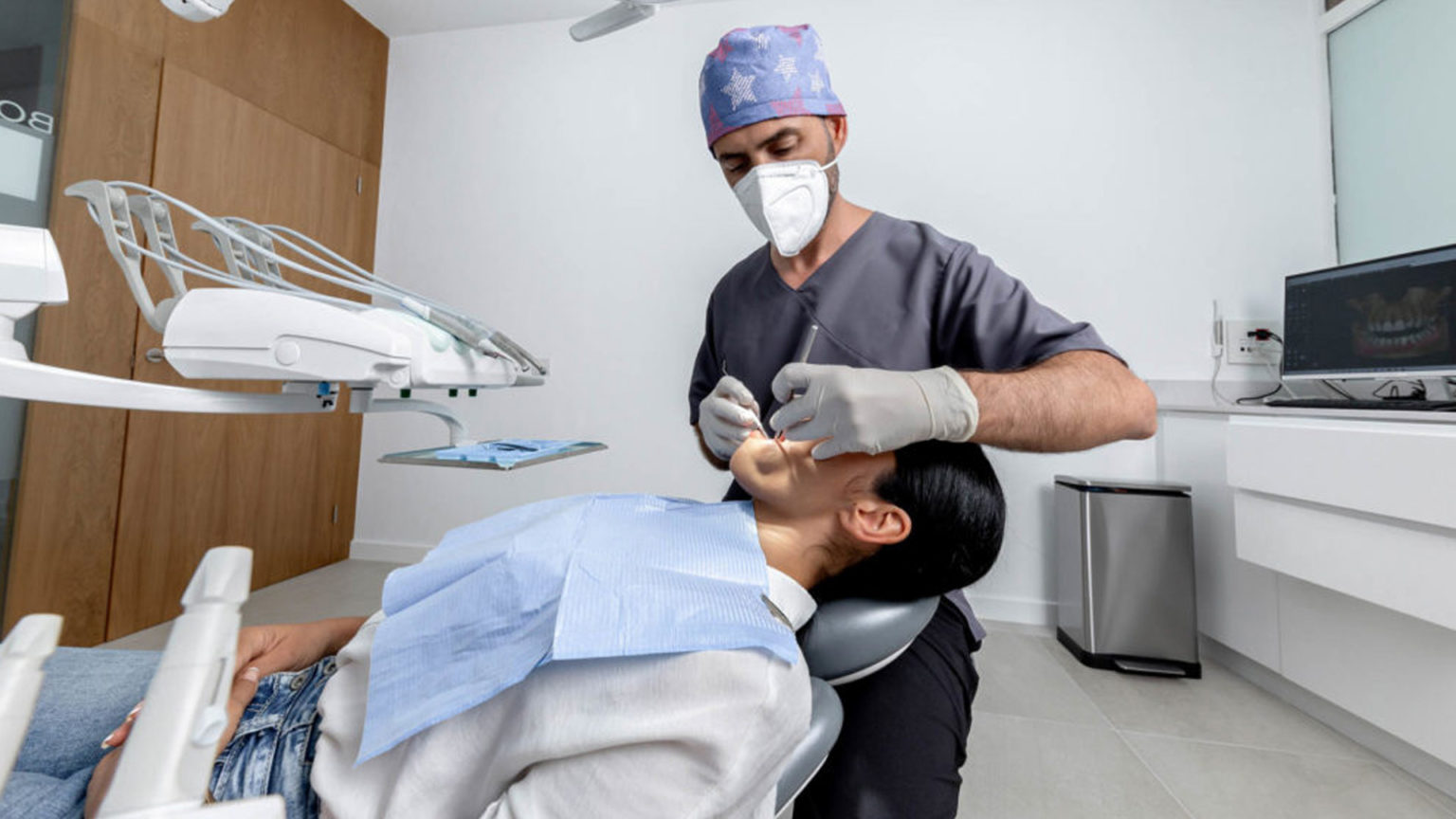
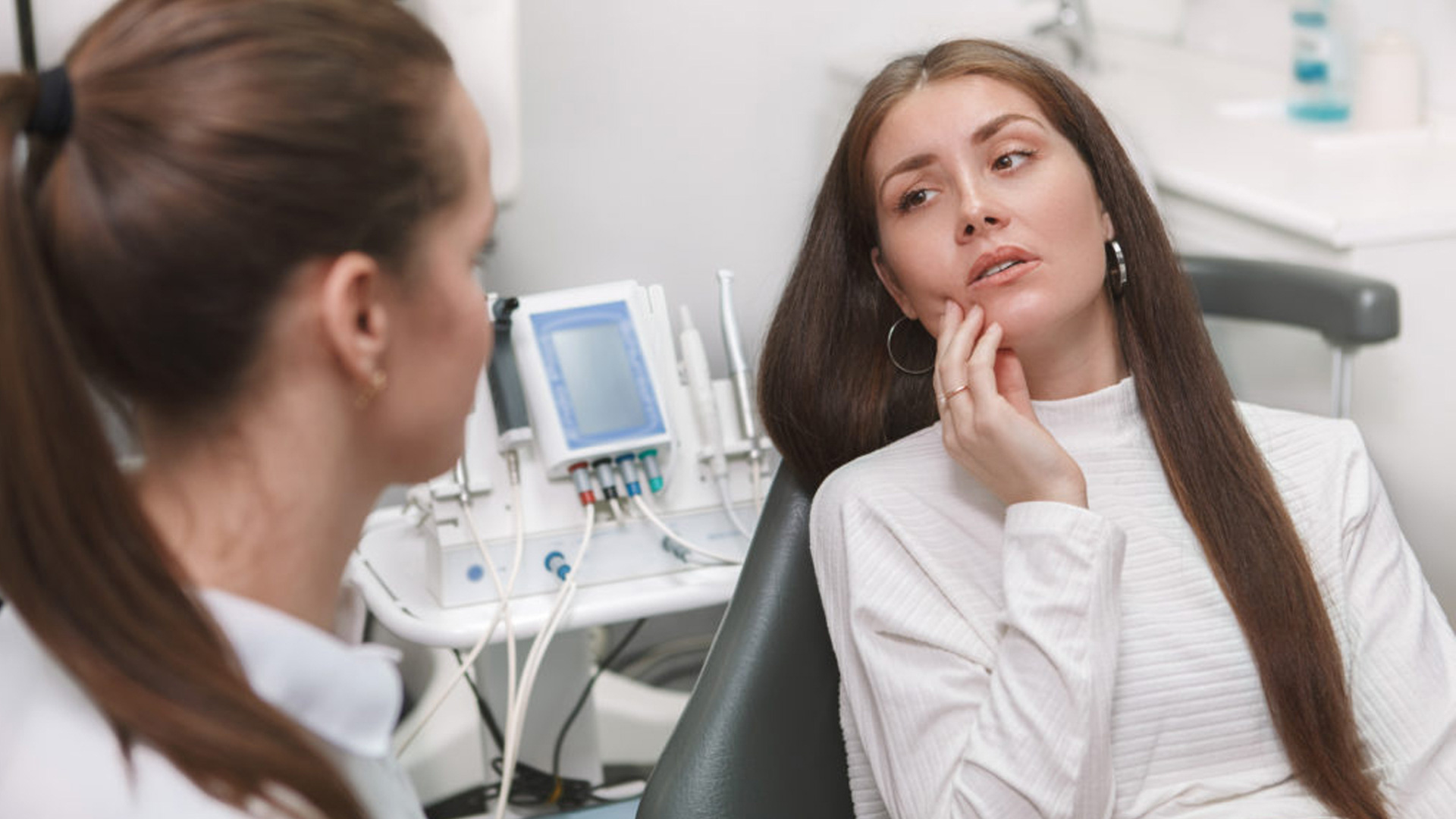
A dental emergency has a way of changing the mood of an entire day in seconds. One bite into a hard olive pit, one elbow during a weekend basketball game, one crown that gives out during a client lunch, and suddenly everything else stops mattering. Pain has that effect. So does visible damage to a front tooth. So does waking up with swelling on one side of the face and realizing this is no longer something you can postpone.
That is why keeping the number of an Emergency Dentist Beverly Hills office close at hand is less about convenience and more about damage control. In real life, people rarely have time to research a provider while holding a cold compress to their cheek or trying to find the missing piece of a broken veneer in a restaurant napkin. The best decisions in urgent dental situations are usually made before the emergency happens, not during it.
People often think of emergency dentistry as a service they might need once in a lifetime. In practice, urgent dental visits are far more common than most expect. Teeth crack. Fillings loosen. Temporary crowns come off. Infection can flare up overnight. Children fall. Adults grind their teeth until a cusp gives way. Cosmetic work, despite being carefully done, still exists in the real world where accidents happen and restorations age. Having an established emergency dentist means you are not starting from zero when time matters.
Dental emergencies are rarely neat or well-timed
One of the biggest misconceptions about oral emergencies is that they arrive with a dramatic warning sign. Some do, of course. A knocked-out tooth is unmistakable. So is a sharp fracture or significant bleeding after trauma. But many urgent problems begin quietly. A dull ache intensifies over a day or two. A tooth that was merely “sensitive” to cold last week starts throbbing at two in the morning. A little gum swelling turns into facial swelling by afternoon.
In a place like Beverly Hills, where schedules tend to be packed and appearances often carry professional weight, people are especially likely to downplay early symptoms. They have meetings, travel, events, school runs, and social commitments. They tell themselves they can get through one more day. Sometimes they can. Sometimes that extra day is the difference between a straightforward root canal and an abscess that requires more extensive treatment, antibiotics, drainage, and several disrupted days afterward.
An emergency dentist does not only treat pain. They help preserve options. When care is prompt, a cracked tooth may be stabilized before the fracture deepens. A lost crown may be recemented before the underlying tooth shifts or decays. A dislodged tooth may be saved if it is handled quickly and correctly. Timing shapes outcomes in dentistry more than many patients realize.
Speed matters because teeth and surrounding tissue do not wait
The mouth is a small space with a lot happening inside it. Nerves are sensitive. Bacteria move fast. Soft tissue swells quickly. Bite forces are strong enough to turn a small defect into a larger one in a matter of meals. Waiting can transform a repair into a reconstruction.
Consider a common scenario: someone loses a filling from a back molar. At first, the tooth feels rough but manageable. They chew on the other side and hope to fit a dental visit in next week. Meanwhile, the exposed tooth structure is weaker than it was before, the area traps food, and the tooth may become more temperature-sensitive. One hard bite later, the wall of the tooth fractures. What could have been a simple replacement filling now becomes a crown, and sometimes even root canal therapy if the crack reaches the pulp.
The same logic applies to infection. Dental infections do not always stay put. They can spread into surrounding gum tissue, affect sleep, reduce appetite, and in severe cases create systemic concerns. Dentists take swelling seriously for good reason. A rapidly enlarging infection in the mouth is not something to “watch for a few days.”
Having a trusted contact for urgent care shortens the time between problem and intervention. That matters clinically, and it matters psychologically. Pain tends to feel worse when no plan is in place.
Not every dental problem is an emergency, but many deserve same-day advice
One practical benefit of having an emergency dentist on speed dial is judgment. Patients do not always need treatment within the hour, but they often need guidance within the hour. A knowledgeable office can help you distinguish between something that requires immediate attention, something that can wait until the next business day, and something that belongs in the emergency room instead of the dental chair.
A knocked-out adult tooth is time-sensitive. A mild chip with no pain may not be. Swelling that affects swallowing or breathing is not a wait-and-see issue. Bleeding that does not stop after oral surgery may require urgent evaluation. Severe pain under a crown could mean decay, trauma to the tooth, or a bite problem. Without professional input, people either overreact and panic, or underreact and delay. Neither helps.
That phone call can also come with very specific instructions that preserve the tooth or reduce harm before you arrive. If a tooth is avulsed, you may be told to handle it by the crown, not the root, and keep it moist in milk or saliva. If a restoration has fallen out, you may be advised to avoid chewing on that side and keep the area clean. If swelling is present, you may be guided on whether to use cold compresses and when to seek more urgent medical care.
The value is not just treatment availability. It is expert triage.
Established patients usually move faster through the system
Dental offices, like all healthcare practices, work more efficiently when they already know the patient. If your records, radiographs, medical history, allergies, medications, and past treatment notes are already on file, urgent care becomes more focused from the start. The dentist does not need to spend valuable time building a clinical picture from scratch. They can compare today’s X-rays to earlier ones. They know if you clench heavily, if you have a history of root canal treatment, if a tooth has a large old filling, or if a veneer was placed recently.
That familiarity can shape treatment decisions in subtle but important ways. A dentist who knows your bite pattern may immediately recognize why a temporary repair is likely to fail unless the occlusion is adjusted. A dentist who has previously treated your anxiety can plan sedation or supportive care more effectively. A dentist familiar with your cosmetic work can repair or replace a damaged restoration in a way that blends naturally, rather than leaving you with an acceptable but mismatched result.
This is particularly important in Beverly Hills, where many patients have invested in complex restorative or aesthetic dentistry. Emergency care in those cases is not just about stopping discomfort. It Emergency Dentist Beverly Hills dentalgroupbh.com often requires preserving prior work and understanding the materials involved, whether that is layered porcelain, implant-supported crowns, composite bonding, or full-mouth rehabilitation.
Pain changes decision-making, and that is a poor time to shop around
Anyone who has dealt with significant tooth pain knows it narrows your focus. You are not comparing websites carefully. You are not reading through office policies. You are not checking whether the provider has experience handling traumatic fractures, failed root canals, or complex cosmetic repairs. You just want relief.
That urgency can lead people into avoidable problems. They may choose the first office that answers, even if it lacks same-day diagnostic capability. They may end up at a clinic that can prescribe medication but not complete the needed procedure. They may receive a temporary fix from someone who is unfamiliar with their broader dental situation, then need retreatment later. In some cases, they may spend more money overall because the initial urgent care was fragmented or incomplete.
Saving the contact information for an Emergency Dentist Beverly Hills practice ahead of time removes that scramble. It gives you a known starting point. Even if that office ultimately refers you to an oral surgeon, endodontist, or hospital for a specific issue, the path is clearer and usually faster when guided by a dentist who understands the urgency and can coordinate next steps.
Cosmetic stakes are real, especially when front teeth are involved
Some dental emergencies hurt. Others primarily affect function or appearance. Both matter. People sometimes feel embarrassed admitting how distressing a broken front tooth or lost veneer can be, but that reaction is reasonable. A visible dental injury can affect speech, confidence, professional presence, and social ease almost immediately.
For patients who work in public-facing roles, appear on camera, attend events, or simply do not want to spend days hiding their smile, prompt emergency care has a very practical value. A skilled emergency dentist can often smooth a sharp edge, reattach a fragment when appropriate, place temporary bonding, or create a provisional solution that protects appearance while the definitive restoration is made. Those interim steps are not trivial. They can make the difference between a manageable inconvenience and a deeply disruptive week.
I have seen cases where someone breaks a front tooth on a Friday evening and assumes nothing can be done until Monday. In many situations, that is not true. While the final restoration may still require a return visit, immediate care can stabilize the tooth, protect the nerve, relieve sensitivity, and restore enough appearance that the patient can function normally in the meantime.
That kind of response is difficult to arrange if you start calling around after the damage has already happened.
Children, teens, and active adults make urgent dentistry more likely
Families benefit disproportionately from having emergency dental contact information ready. Children fall off scooters. Teens take sports injuries. Mouthguards help, but they do not eliminate all accidents. Orthodontic wires poke. Retainers crack. A tooth that looked fine after a playground collision can darken or start hurting later.
Adults are not exactly low-risk either. Fitness classes, cycling, hiking, travel, stress-related grinding, and simple everyday eating all create opportunities for urgent dental issues. One of the most common stories in dental offices starts with, “I was just eating lunch.” It does not take a major accident to break a compromised tooth.
For households juggling work, school, and activities, having a plan reduces chaos. Everyone knows who to call, where to go, and how quickly help is available. That is especially useful when one parent is traveling, a nanny or relative is helping with pickup, or the injury happens outside normal office hours.
A few situations almost always justify an immediate call:
- A permanent tooth is knocked out or visibly displaced.
- Swelling is increasing, especially with fever or difficulty swallowing.
- Pain is severe enough to disrupt sleep or regular eating.
- A tooth is fractured with sharp edges, bleeding, or exposed inner tooth structure.
- A crown, bridge, or veneer comes off and leaves significant sensitivity or visible damage.
That short list is not exhaustive, but it covers the calls that should never sit unanswered in a notes app while someone debates whether it is “bad enough.”
Emergency care can save money, not just discomfort
People sometimes avoid urgent dental evaluation because they fear the bill. It is an understandable concern, but delaying care often costs more. Dentistry tends to follow a simple rule: smaller problems are cheaper than larger ones, and earlier intervention is usually simpler than later reconstruction.
A cracked filling can be a moderate repair. A split tooth may need a crown. If the crack reaches the pulp, root canal treatment enters the picture. If the tooth cannot be restored, extraction and replacement planning become part of the conversation. The price difference between those pathways is significant.
There is also the hidden cost of delay. Lost work hours, canceled travel, disturbed sleep, prescription needs, emergency room visits that do not resolve the underlying dental issue, and repeat appointments all add up. Pain itself carries a cost when it affects concentration and daily functioning.
That does not mean every emergency visit will be inexpensive. Some will not be. But having a trusted emergency dentist improves the odds that treatment is efficient, targeted, and designed to preserve what can still be saved.
The right office helps before you ever sit in the chair
When people think about emergency dental care, they tend to picture the appointment itself. In practice, some of the most useful support happens between the call and arrival. A well-run office asks smart questions, gives practical instructions, and prepares for your specific issue so time is not wasted once you get there.
They may ask when the pain started, whether temperature changes trigger it, whether you can close your Emergency Dentist Beverly Hills teeth together fully, whether swelling is localized or spreading, whether trauma involved the lips or jaw, and whether the tooth has had prior treatment. Those details matter. They help the dentist decide whether to block extra time, alert a specialist, or prepare materials for a likely temporary restoration.
Good emergency coordination also matters for patients with medical complexity. If you take blood thinners, have a heart condition requiring antibiotic precautions, are pregnant, or have a history of difficult local anesthesia, that information can shape the visit from the start. Established relationships make these conversations quicker and safer.
Beverly Hills patients often have more complex dental histories
There is a local reality worth acknowledging. In Beverly Hills, many patients have had extensive cosmetic and restorative care. Veneers, implant work, full-coverage crowns, bite rehabilitation, and smile design cases are common. Emergencies in those mouths require a different level of judgment than a simple first-time filling replacement.
For example, a chipped veneer may not be just a chipped veneer. The underlying bite forces, parafunctional habits, opposing restorations, and smile line all matter. A loose implant crown is not managed the same way as a loose natural tooth crown. A front-tooth fracture in a heavily restored smile may require temporary treatment that protects symmetry until the final laboratory work is ready.
This is one reason the phrase Emergency Dentist Beverly Hills carries practical significance beyond geography. It suggests a provider accustomed to urgent issues involving both health and aesthetics, someone who can think clearly about function, appearance, and long-term durability at the same time.
Preparation beats panic every time
The most sensible moment to choose an emergency dentist is when nothing is wrong. You are calm. You can ask questions. You can verify office hours, after-hours protocols, insurance policies, parking, digital imaging capability, and whether the practice handles traumatic injuries, root canal emergencies, and cosmetic damage in-house.
You can also make a few practical preparations at home. Keep the number saved in your phone. Share it with your spouse, partner, or another responsible adult. Know where the office is. Keep a small dental first-aid kit with gauze, a clean container with a lid, over-the-counter pain relief you know you can take safely, and orthodontic wax if anyone in the house has braces. None of this is dramatic. It is simply organized.
Here is the useful trade-off to understand: most people who save an emergency dentist’s number will not need urgent care this month, or even this year. That does not make the preparation unnecessary. It makes it exactly like every other form of sensible readiness. You hope it sits unused. You are glad it exists if the moment comes.
The people who benefit most from keeping that contact close are not only those with known dental issues. They are also the ones who assume emergencies happen to other people, until one day they bite down, hear a crack, and realize oral pain does not respect calendars, business hours, or carefully laid plans.
Having an Emergency Dentist Beverly Hills office on speed dial is not an overreaction. It is one of the simplest ways to protect your health, your time, your comfort, and in many cases your smile itself. When minutes matter, familiarity matters too.
Dental Group of Beverly Hills
8641 Wilshire Blvd #125, Beverly Hills, CA 90211, United States
Phone: +1 (310) 929-6335
FAQ About Emergency Dentist Beverly Hills
What is considered to be a dental emergency?
Severe tooth pain, a knocked-out permanent tooth, a significant tooth fracture, or suspected dental infection needs prompt professional assessment. Contact a dentist to describe the problem and arrange appropriate care. Trouble breathing or swallowing, uncontrolled bleeding, or major facial injury requires immediate emergency medical attention.
How to tell if tooth pain is serious?
Pain that is severe, persistent, or accompanied by fever, facial swelling, or a bad taste should be assessed promptly by a dentist. The cause cannot be confirmed from symptoms alone. If swelling affects breathing or swallowing, call 911 or go to an emergency department.
What do I do if I have a dental emergency and no dentist?
Call a nearby dental practice that accepts urgent patients and explain your symptoms, when they began, and any recent injury. Ask about the earliest available assessment and what information to bring. For life-threatening symptoms, seek emergency medical care immediately instead of waiting for a dental appointment.
Corrections
Spot something wrong? Send it to the desk and it gets fixed in the open.