What Causes the Need for Root Canal Beverly Hills Procedures?


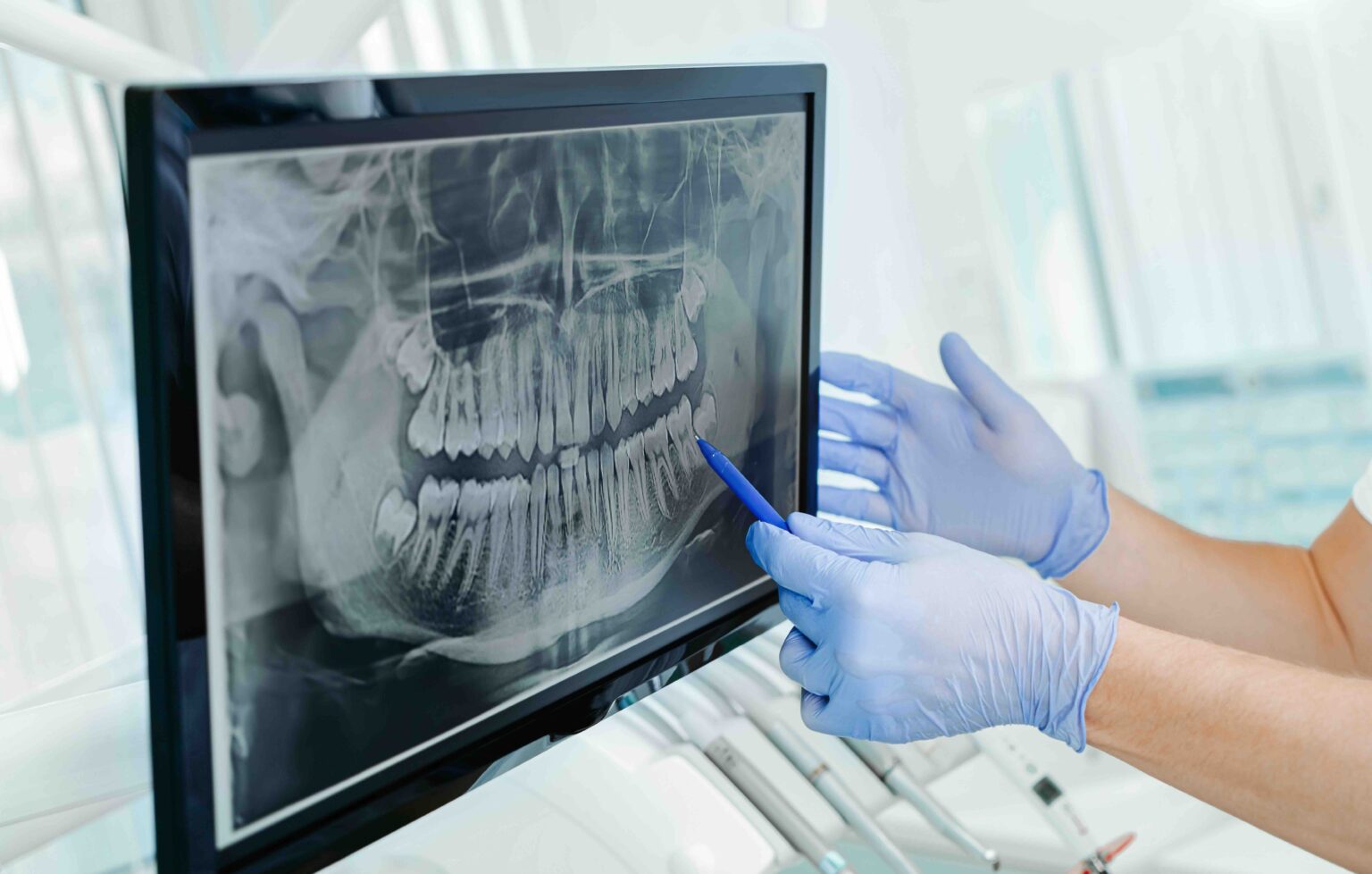
Few dental treatments carry as much baggage as a root canal. People hear the phrase and imagine a dramatic, last-minute rescue for a tooth that has gone terribly wrong. In practice, the need for root canal therapy usually develops more quietly. It starts with damage or infection inside the tooth, often after months or even years of wear, decay, trauma, or overlooked symptoms. By the time a patient searches for Root Canal Beverly Hills treatment, the real story has often been unfolding beneath the surface for quite a while.
Understanding why root canals become necessary helps remove some of the mystery. It also helps patients act sooner, when treatment is typically simpler and the tooth has a better long-term outlook. The goal of a root canal is not to create trouble, but to stop pain, clear infection, and preserve a natural tooth that would otherwise be lost.
What a root canal actually treats
Inside every tooth is a small chamber filled with soft tissue called pulp. That pulp contains nerves, blood vessels, and connective tissue. In a developing tooth, the pulp plays an important role in growth. Once the tooth is fully formed, however, it can survive without that inner tissue because surrounding structures continue to nourish it.
A root canal becomes necessary when the pulp is inflamed, infected, or dead. That damage is not always visible from the outside. A tooth can look mostly intact and still have deep internal trouble. When bacteria enter the pulp chamber, they can spread down through the root canals and into the bone around the tooth. At that point, what started as a cavity or crack can become a true dental infection.
Many patients are surprised to learn that a root canal is often a tooth-saving procedure, not an extreme measure. In experienced hands, it is a controlled, precise treatment designed to remove diseased tissue, disinfect the inner spaces, and seal the tooth so bacteria cannot return.
Deep decay is the most common trigger
If one cause stands above the rest, it is untreated tooth decay. A cavity begins in the outer enamel, then works inward through the dentin. Once bacteria reach the pulp, inflammation follows. At first, that inflammation may be reversible, which means a filling placed in time can solve the problem. But if decay continues unchecked, the pulp becomes irreversibly inflamed or infected, and a root canal is often the only way to save the tooth.
This is where real life tends to interfere with good intentions. People often delay treatment because the tooth does not hurt much, because the discomfort comes and goes, or because the cavity was mentioned casually at a prior cleaning and did not feel urgent. A small cavity and a root canal can be separated by only a few millimeters of tooth structure. That sounds minor, but in dentistry those millimeters matter.
Molars are especially vulnerable because their grooves trap food and bacteria. Patients who grind their teeth, snack frequently, sip sugary drinks over long periods, or struggle with dry mouth may move from minor decay to pulpal involvement faster than they expect. Dry mouth deserves special mention. Saliva helps buffer acids and reduce bacterial growth, so when it drops because of medications, medical conditions, or dehydration, cavity risk rises sharply.
Cracks can create hidden pathways for bacteria
Another major reason for root canal treatment is a cracked tooth. Cracks do not always announce themselves clearly. Some cause a sharp pain when biting down, especially when pressure is released. Others cause vague sensitivity that is easy to dismiss. A patient may say, “It only hurts once in a while when I chew something hard,” which is classic for a crack that flexes under force.
Cracks can form for several reasons. Long-term grinding and clenching place enormous stress on teeth. So do habits like chewing ice, biting pens, or opening packages with the teeth. Large older fillings can weaken the remaining tooth structure, making fractures more likely. Even a seemingly harmless habit, like consistently chewing on one side, can contribute over time in a heavily restored mouth.
What makes cracks tricky is that they are not always obvious on an X-ray. Dentists often find them through a combination of symptoms, magnification, bite testing, and direct examination after removing old restorations. Once a crack reaches the pulp or allows bacteria to seep inward, the tooth may need root canal therapy before it can be protected with a crown.
In some cases, the crack extends too far below the gumline, and then the tooth may not be savable. That is one reason prompt evaluation matters. The earlier a cracked tooth is stabilized, the better the odds of keeping it.
Trauma can damage the pulp even without a visible break
People tend to associate dental trauma with dramatic accidents, but the pulp can be injured in less obvious ways. A sports collision, a fall, a car accident, or a blow to the face can all compromise the nerve and blood supply inside a tooth. Sometimes the tooth chips or breaks. Sometimes it looks fine from the outside, but the pulp has been bruised or severed.
This is especially common in front teeth. A patient may remember being hit years earlier and say the tooth “just got darker over time.” Discoloration after trauma can indicate pulpal death. In that setting, a root canal may be needed to prevent dentalgroupbh.com Root Canal Beverly Hills or treat infection and to preserve the tooth for cosmetic restoration.
Children and teenagers sometimes experience trauma to developing teeth, which creates a different set of concerns. The timing of treatment depends on root development, symptoms, and radiographic findings. Not every injured tooth needs an immediate root canal, but it must be monitored carefully. A tooth can test normal after an accident and then deteriorate months later.
Repeated dental work can stress the nerve
A tooth that has been filled, re-filled, drilled, crowned, or repaired several times has a more fragile pulp than a tooth that has never needed treatment. Every procedure, even when done properly, places some stress on the inner tissues. Over many years, that cumulative irritation can push the pulp past its ability to recover.
This is a common scenario in older restorations. A patient may have a large silver filling placed decades ago, then develop decay around the edges, then receive a replacement, then later need a crown. Eventually the tooth becomes sensitive to temperature, develops pain when chewing, or starts aching spontaneously. The final problem may look sudden, but the pathway was gradual.
This does not mean dental treatment causes root canals in a careless sense. More often, it means the tooth has had a long life and has absorbed a lot of structural and biological strain. The root canal becomes necessary because the tooth is worth saving and the pulp is no longer healthy enough to remain.
Severe gum disease can contribute, though less directly
Root canals and periodontal treatment address different problems, but the two can intersect. Advanced gum disease causes bone loss and deep pockets around the teeth. In some cases, bacteria can track toward the root surface and affect the tooth’s vitality, especially if the disease is severe or combined with other damage.
More often, periodontal disease complicates the diagnosis. A patient may feel soreness, swelling, or pressure and assume the issue is “just the gums,” when the tooth itself is also infected. Dentists have to distinguish between a periodontal abscess, a pulpal abscess, or a combined lesion that involves both the root canal system and the surrounding supporting tissues.
These mixed cases require judgment. If the tooth has enough remaining support and the infection source can be controlled, root canal therapy may still be part of the solution. If bone loss is extreme, the long-term prognosis changes.
Signs that often point toward root canal treatment
Pain is one clue, but it is not the whole story. Some teeth with severe pulpal damage hurt intensely. Others cause almost no discomfort at all.
Common warning signs include the following:
- lingering sensitivity to hot or cold
- pain when biting or chewing
- spontaneous throbbing, especially at night
- swelling in the gums or face
- darkening or discoloration of a tooth
The pattern matters. Brief cold sensitivity that fades right away may suggest a milder problem. Heat pain that lingers, or a deep ache that wakes someone from sleep, often raises stronger concern for irreversible pulp inflammation. Swelling, a bad taste, or a pimple-like bump on the gum can indicate infection draining from the tooth.
That said, some dead teeth are quiet. Dentists sometimes discover them during routine X-rays, where the tip-off is a dark shadow near the root, showing bone loss from chronic infection. Those findings can surprise patients who feel no pain at all.
Why infections in the tooth do not resolve on their own
Once bacteria colonize the pulp and the tissue dies, the body cannot simply flush the inside of the tooth clean. Unlike skin or other richly supplied tissues, the root canal space is enclosed. Blood flow is limited or absent in a necrotic pulp, which means the immune system cannot fully eliminate the infection there. Antibiotics may temporarily reduce swelling in surrounding tissues, but they do not sterilize the inner canal system on their own.
That is why waiting rarely helps. Symptoms may quiet down for a while, creating the illusion that the problem is gone, but the infection can continue smoldering. Then it flares again, often at an inconvenient time, with more swelling and more destruction around the root.
In practice, dentists see this pattern often. A patient has a week of bad pain, takes over-the-counter medication, feels better, and cancels the visit. A month or two later, the tooth abscesses. Relief is not the same as healing.
The role of Beverly Hills lifestyle factors and patient expectations
When people seek Root Canal Beverly Hills care, they are often balancing function, esthetics, scheduling demands, and long-term preservation. In communities where appearance matters professionally and socially, front teeth and smile-zone restorations receive close attention. A traumatized incisor, a darkening tooth under an old veneer, or a painful crowned tooth before a public event can move treatment up the priority list quickly.
Lifestyle factors also matter. Stress-related clenching is common in high-pressure work environments. Frequent coffee, tea, wine, acidic drinks, and irregular meal patterns can affect oral health over time. So can cosmetic history. Teeth that have had veneers, bonding, large cosmetic buildups, or repeated modifications may eventually develop pulpal symptoms, not because cosmetic dentistry is inherently problematic, but because any heavily treated tooth carries more cumulative risk.
Patients in appearance-conscious settings also tend to notice subtler changes. Mild asymmetry, slight discoloration, or a gum pimple above a front tooth often prompts evaluation earlier than it might elsewhere. That can be an advantage. Earlier diagnosis usually means fewer complications.
A root canal is sometimes needed after crown placement
This catches many people off guard. A tooth can receive a crown and later require root canal therapy. That does not automatically mean the crown was a mistake or that something was done incorrectly. Sometimes the tooth was already on the borderline. It may have had a large old filling, deep decay, a crack, or longstanding irritation. The preparation and placement of the crown can push an already compromised pulp into irreversible inflammation.
Dentists try to assess this risk beforehand, but biology does not always read the script. A tooth that tests normal before treatment may develop pain later. When that happens, the crown often can remain in place while the root canal is performed through a small access opening, though every case is different.
This is one of those areas where experience matters. Good treatment planning includes discussing the possibility, especially for teeth with large restorations or pre-existing symptoms. Patients generally do better when they understand that dentistry works with living tissues, not machine parts.
How dentists decide whether a root canal is truly necessary
Diagnosis is part science, part pattern recognition. Dentists combine several pieces of information rather than relying on one symptom alone. They review the patient’s history, test how the tooth responds to cold or electrical stimulation, check for tenderness to tapping or biting, examine the gums, and study X-rays or 3D imaging when indicated.
They also look at the bigger picture. Is the tooth restorable after the root canal? Is there enough healthy structure left to support a filling or crown? Is the crack limited, or does it extend too far? Is the patient dealing with grinding, active decay elsewhere, or untreated gum disease that could affect the outcome?
A root canal is appropriate when the pulp cannot recover and the tooth still has a reasonable chance of long-term function. If the tooth is too broken down, deeply fractured, or poorly supported, extraction may be the more honest recommendation. Saving a tooth at all costs is not always the best decision. Saving the right tooth, under the right conditions, is.
What happens if treatment is delayed
Delaying care can lead to more pain, but the larger issue is progression. Infection can spread beyond the tooth into the surrounding bone and soft tissue. Swelling can become pronounced. A localized problem can turn into an abscess that affects sleep, eating, work, and general health. In rare but serious cases, untreated dental infections can spread into facial spaces and require urgent medical management.
From a practical standpoint, delay can also change the treatment options. A tooth that might have been saved with a straightforward root canal and crown Root Canal Beverly Hills can become non-restorable if decay expands below the gumline or a crack worsens. That means extraction, and then a conversation about replacement with an implant, bridge, or removable option. Those solutions can be excellent, but they are usually more involved and often more expensive than preserving a natural tooth when possible.
Prevention is less glamorous, but it works
Most root canals are preventable, though not all. Trauma and certain cracks can happen even in people with good habits. Still, the majority of cases trace back to a few familiar patterns: untreated decay, delayed repair, heavy bite forces, and missed signs.
The most useful preventive habits are simple:
- keep routine exams and X-rays on schedule
- treat small cavities before they deepen
- wear a night guard if you grind or clench
- address cracked fillings and loose crowns promptly
- seek evaluation quickly for lingering temperature pain or bite pain
Prevention also depends on realism. A patient who has a history of large restorations, dry mouth, or heavy wear needs more than generic advice. They may need closer recall visits, prescription-strength fluoride, diet adjustments, sealants on vulnerable teeth, or earlier use of crowns to protect compromised molars. Personalized prevention is much more effective than one-size-fits-all recommendations.
Why preserving the natural tooth still matters
When a root canal is indicated, many patients ask whether it is better to remove the tooth and place an implant instead. That is a reasonable question, especially since implants are common and highly successful in the right setting. But a healthy natural tooth, even one that needs endodontic treatment, still offers advantages. It maintains natural proprioception, often functions beautifully for many years, and avoids the surgical steps involved in extraction and implant placement.
The decision comes down to prognosis, not fear. A tooth with solid surrounding bone, manageable decay, and a restorable structure is often worth saving. A tooth split through the root is a different story. Experienced clinicians do not recommend root canal treatment simply to avoid extraction at all costs. They recommend it when the tooth has a fair to good chance of serving the patient well.
The takeaway most patients need to hear
Root canals are not caused by the treatment itself. They are caused by disease or damage inside the tooth, usually decay, cracks, trauma, or repeated stress over time. By the time someone needs Root Canal Beverly Hills care, the tooth’s inner tissue has typically crossed a line where healing on its own is no longer possible.
The encouraging part is that the path to that point is often detectable. A little sensitivity, a deep cavity, a cracked filling, a darkening tooth, a twinge on biting, these are often early warnings, not random annoyances. When those signs are evaluated promptly, many teeth can be treated before pain escalates or options narrow.
A root canal is best viewed for what it really is: a precise, conservative effort to remove infection and keep a natural tooth in place. For patients who understand the causes, the treatment tends to feel far less mysterious, and much more like what it has always been, practical care for a very specific problem.
Dental Group of Beverly Hills
8641 Wilshire Blvd, Suite 125
Beverly Hills, CA 90211
(310) 361-2835
FAQ About Root Canal Beverly Hills
What are the signs you need a root canal?
Persistent pain, lingering temperature sensitivity, or swelling can have several causes. A dentist can examine the tooth and decide whether root canal treatment is appropriate.
How much does a root canal usually cost in Beverly Hills CA?
Cost varies by tooth, complexity, insurance, and whether a permanent restoration is needed. Request an itemized estimate.
How long do root canals last?
A treated tooth can last many years with a suitable restoration and regular dental care. Its outlook depends on tooth condition, the seal, and follow-up care.
Corrections
Spot something wrong? Send it to the desk and it gets fixed in the open.